Blog
Train better
Training tips, progression strategies, and updates — evidence-based and practical.
74 articles
GZCLP: 3 or 4 Days per Week?
The GZCLP original runs three days. Here's how four days change the rotation, frequency, volume and progression — with a clear way to decide.

How Long Should You Run GZCLP — and When to Switch?
GZCLP has no fixed end date. How to tell a normal missed session from a real plateau, and how to pick the right next step.

GZCLP T3: Choosing and Progressing Accessory Work
Which T3 exercises the GZCLP original actually prescribes, how the 3×15+ progression works, and when extra accessory work is genuinely worth adding.

Alcohol and Muscle Growth: What the Studies Really Show
Alcohol after training: where the famous 37 percent comes from, what we know about small amounts, and why sleep may matter more than the fitness myths.

5/3/1 Boring But Big: Getting the 5×10 Right
Dosing Boring But Big properly: why 50 % TM is a sensible starting point for 5×10, when higher percentages fit, and how to judge your recovery.

The 5/3/1 AMRAP Set: How Many Reps Are Good?
What 5+, 3+ and 1+ mean in 5/3/1, how to read rep counts without false precision, and when an AMRAP set is deliberately dropped.

5/3/1 Variations: FSL, BBB, Jokers and 5s PRO Explained
FSL, SSL, BBB, BBS, Widowmaker, 5s PRO plus Leader and Anchor placed in context: which part of the 5/3/1 program does each building block change?
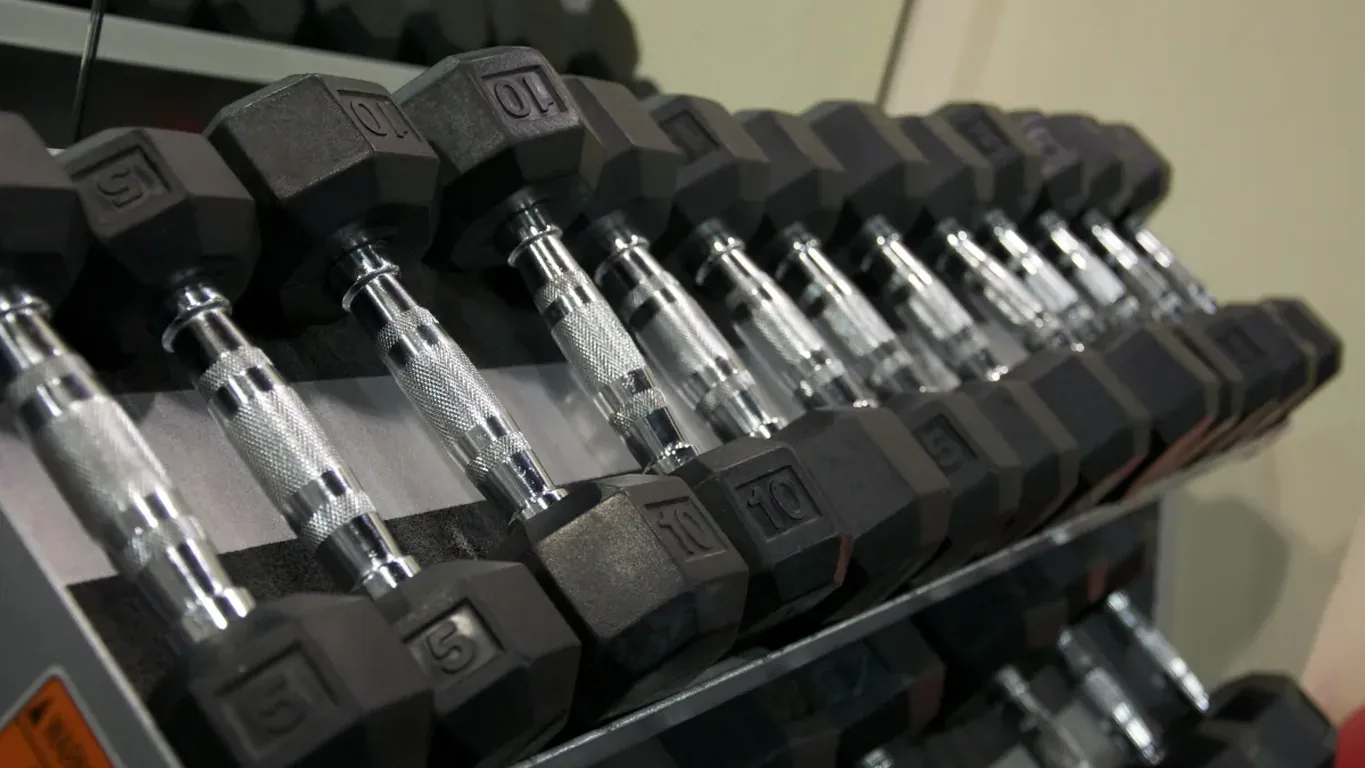
PPL at Home and With Dumbbells: What Works and What Doesn't
Push Pull Legs with dumbbells, bodyweight or machines only: substitutes slot by slot, typical equipment limits and sensible home-gym alternatives.
PPL Exercise Selection: Which Exercises Per Day, In What Order?
Choosing PPL exercises sensibly: practical slots for push, pull and legs, set ranges, exercise order and priorities without a rigid mandatory list.
PPL vs Upper/Lower: Which Split for How Many Days?
Push Pull Legs or upper/lower? How the splits differ across 3 to 6 training days, volume distribution, schedulability and the 5-day hybrid.

What Does PR Mean in Lifting? Personal Records Explained
PR means personal record. Which PR types are worth tracking, what an e1RM really tells you, and how to approach max attempts sensibly.
Strength Sports vs Bodybuilding vs Powerlifting
Strength sports, bodybuilding and powerlifting compared — training goals, rep ranges, injury data, nutrition, and why the lines blur in a normal gym.

Strength Training After 60: Why It Counts Most Now
Muscle and strength loss after 60 can be slowed. How strength training supports function, muscle mass and independence — with concrete starting advice.

Strength Training at Home Without Equipment: Where the Progress Comes From
How progression works without weights: the variation ladder, reps, leverage — plus where bodyweight training honestly hits its limits.

Fasted Strength Training: When the First Meal Really Has to Come
Protein timing after fasted training: what direct training studies show, why a narrow anabolic window is still unproven, and when eating soon matters.

Strength Training for Runners: What Actually Helps
Strength training for runners per current research: improving running economy, a realistic take on injury risk, exercise choice, and fitting it around runs.

Hevy and Strong Alternative: When a Switch Is Worth It
Hevy and Strong are good training apps — just not for everyone. When switching makes sense, how to bring your history, and where hitPR actually differs.

Returning to Strength Training After a Break or Injury
How to return safely after a long break or an injury: what happened to your muscle, why the way back is shorter than you think, and how to structure it.